
THE BEAT GOES ON — MONOMAN, 1957–2026

THE BEAT GOES ON — MONOMAN, 1957–2026
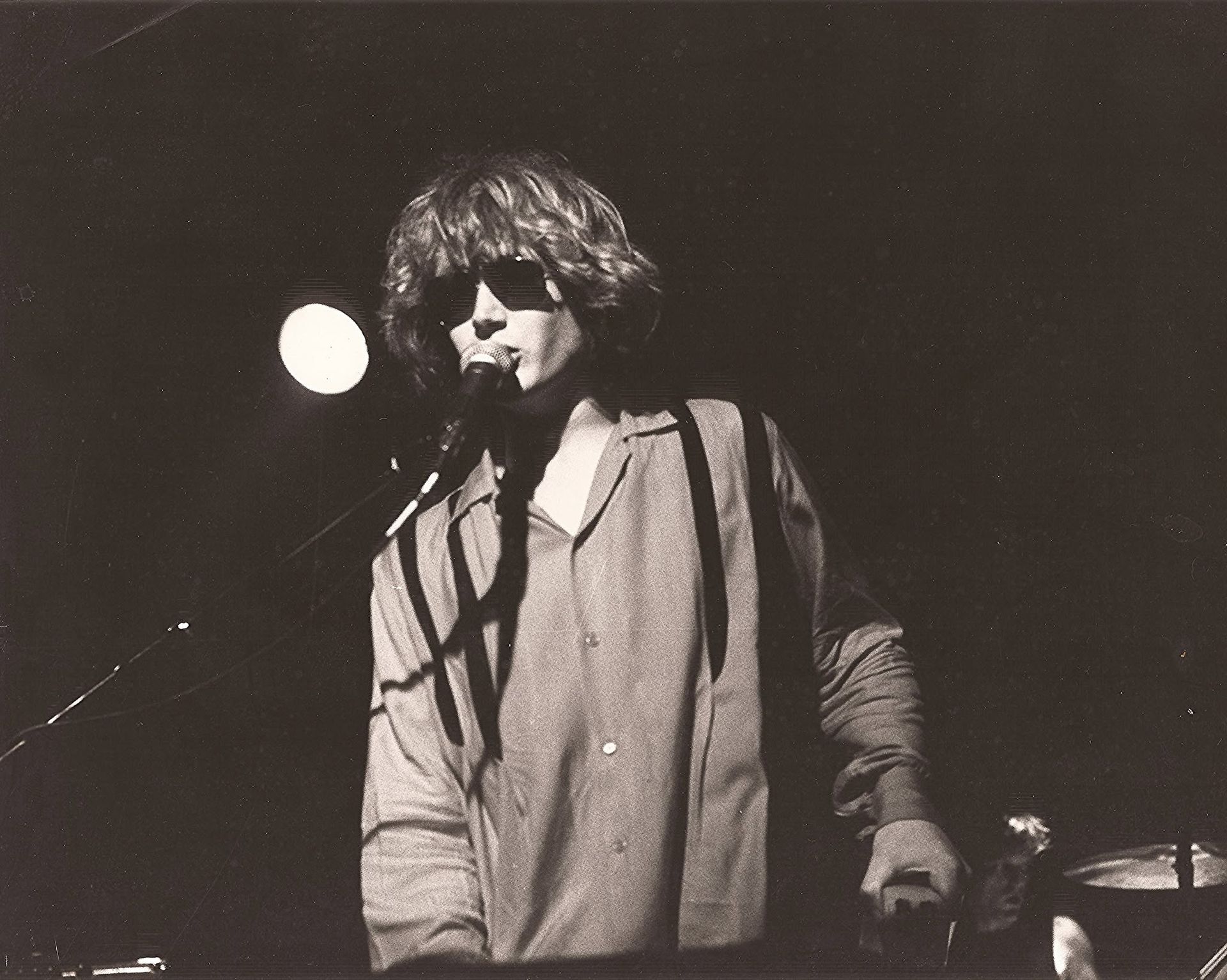
Jeff "Monoman" Conolly died July 31, 2026, at home on the North Shore, after a fight with bladder cancer. He was 69. Lyres played their last show in February, and Jeff went public with the diagnosis a month after that — He wasn't a guy who did anything quietly. Instead of a farewell tour, he put up a GoFundMe and let people help the way people wanted to help.
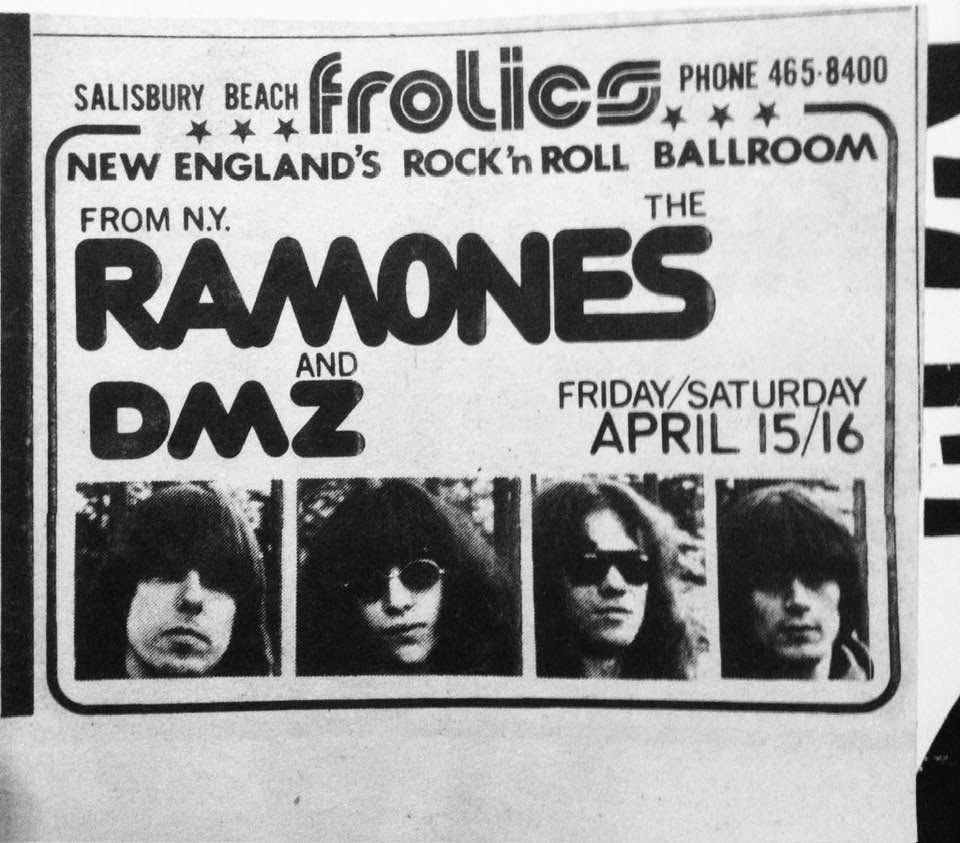
Before Lyres, there was DMZ — the band that basically invented the idea that Boston could have a garage scene worth showing up for. Jeff stole the singer job by out-singing the actual singer at a practice, which tells you everything about how the man operated. DMZ opened for the Ramones and the Jam, got signed to Sire, got produced by Flo & Eddie, and imploded before anybody outside the 617 area code fully caught on.
Somewhere in there — mid-'70s, DMZ-era, before Lyres even existed — Jeff was also in a short-lived, ridiculous, genuinely legendary lineup called The Customs, alongside Jonathan Richman, Alpo, and old Boston scene fixture Bill Tupper. I can't find a trace of it anywhere online — no photos, no setlist, nothing indexed — which honestly feels about right for a band that four different people from that era would swear existed and none of them could prove it. That's the Boston scene in a nutshell: half legend, half true, and Monoman at the center of it either way.
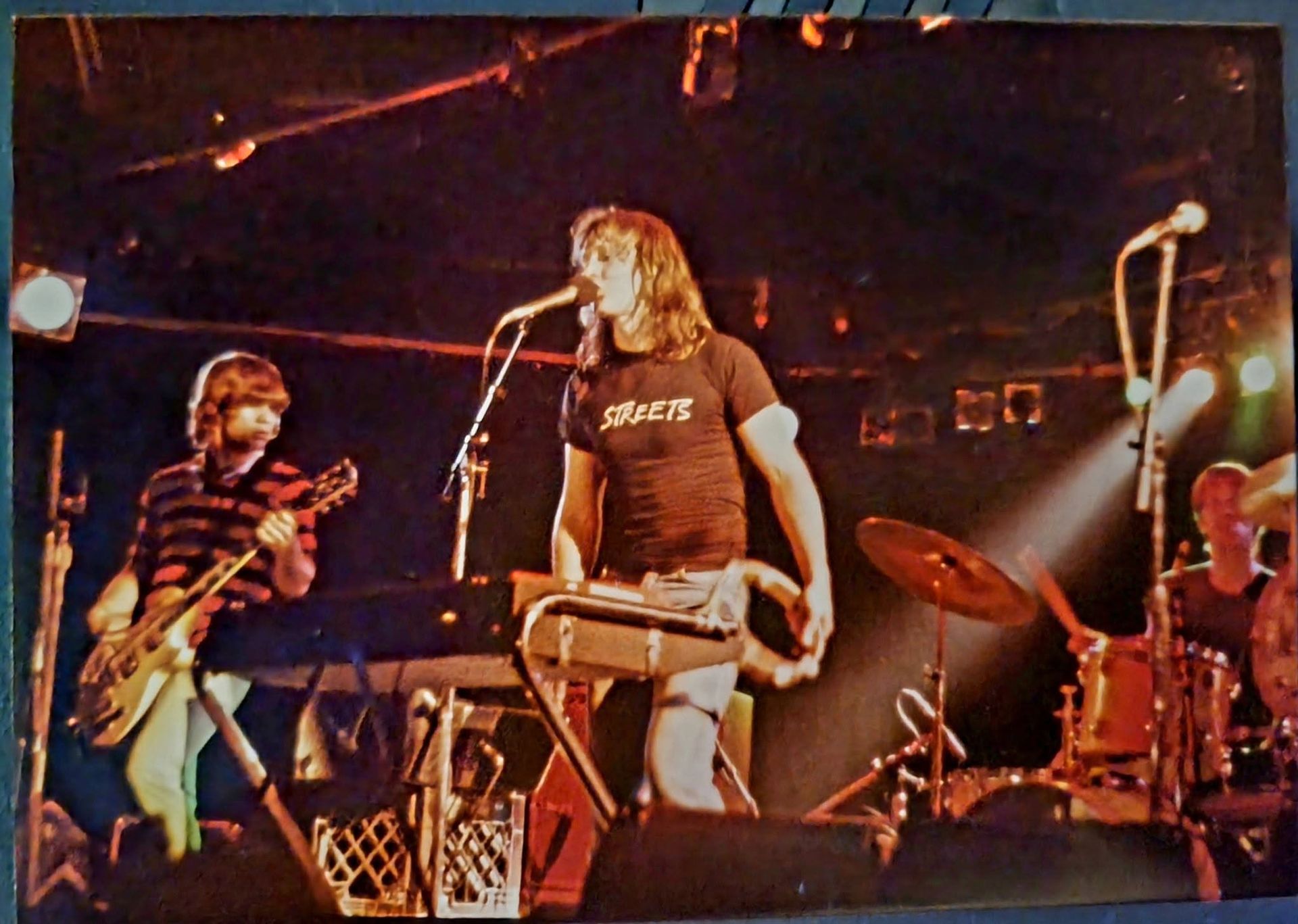
I saw Lyres more than 20 times. Maybe more — I lost count somewhere in there, the way you do with a band that stops being an event and just becomes part of your week. Ten years living in Boston in the early '90s, and Monoman on that Vox Continental was weather, not news. "Help You Ann" would kick in and whatever kind of week you'd had stopped mattering. The room just flipped onto your side.
In 1996, Jeff caught me drumming for Kenne Highland Clan at Ralph's in Worcester, opening for Lyres, and asked me to audition for a seven-week European tour — Paul Murphy was out, nobody was saying why, and I said yes before I'd even finished hearing the question. Worth saying: Kenne Highland is no minor footnote himself — a founding Gizmo, an Afrika Korps veteran, the man behind Johnny and the Jumper Cables and his own Clan, a certified legend of the underground in his own right. It was his band on that stage that night, and Jeff was watching. Touring Europe behind Jeff and Lyres sounded like the whole point of playing drums in the first place.
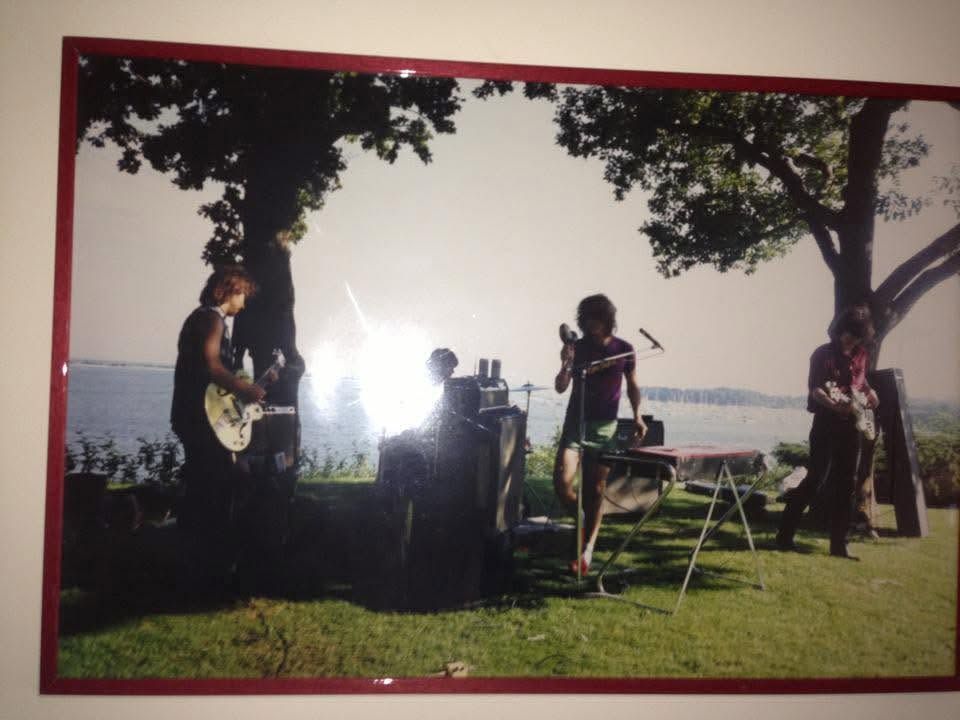
The audition was the full JC stress test: three hours in the In Out rehearsal room at 425R Cambridge Street in Allston — a building that punched way above its weight in the Boston scene, shared by bands like the In Out and Thalia Zedek's Come and Sensurround, sitting right above Karmic Records, run by the Cheater Slicks' Shannon brothers, Tom and Dave. That whole address was its own little ecosystem of the '90s Boston underground. Jeff working through most of a fifth of vodka from Blanchard's, the In Out Farfisa going almost the entire time — that "No Reason to Complain" riff on a loop like it was piped in from somewhere he couldn't turn off — while I tried to lock down the same beat over and over, start to finish. Every time I'd drift off it he'd stop playing just long enough to roast me. "It's sooo simple, maaan. Yer just making it harder for yourself." Then he'd grab the sticks right out of my hands and show me — clean, obvious, right there — and I'd get back on the kit and somehow bastardize it all over again.
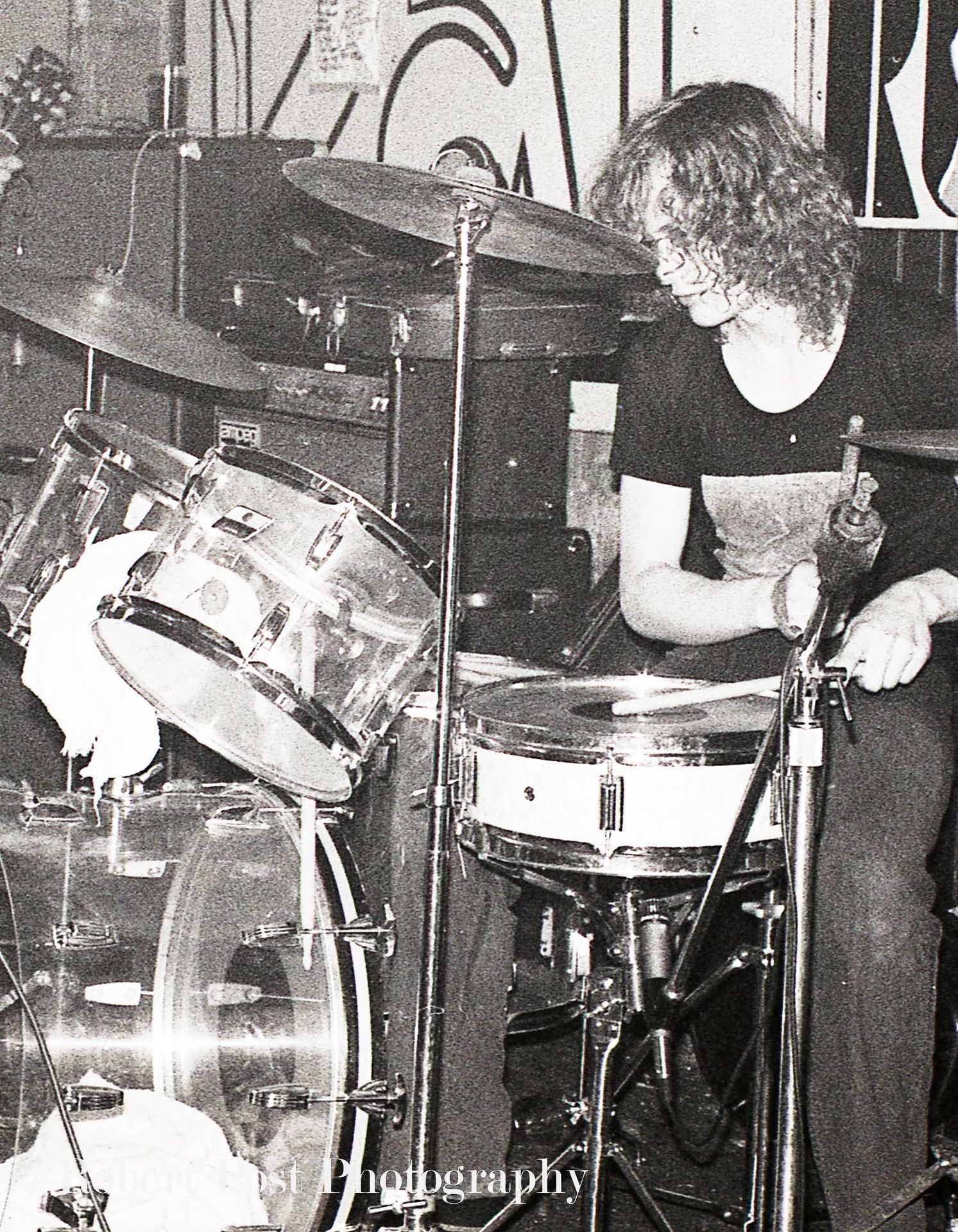
Three solid hours, one song, back and forth like that. At one point, maybe half-joking, maybe not, he told me every rehearsal after this one would be the same deal — one song off the set, drilled down until it was wired straight into my nervous system and couldn't come loose. It hurt. It also worked. I walked out of that room a more disciplined drummer than I walked in, with a real, physical understanding of what Jeff meant by rhythm — not a feel, an obsession. He called the next day wanting a firm yes and another rehearsal. By then everyone who'd ever actually worked with Jeff had gotten to me first, and I politely bailed. Still kick myself a little for it — I never got to find out if he really would've whipped a snare at my skull mid-set for rushing the beat. Some part of me will always wonder what those seven weeks would've been.
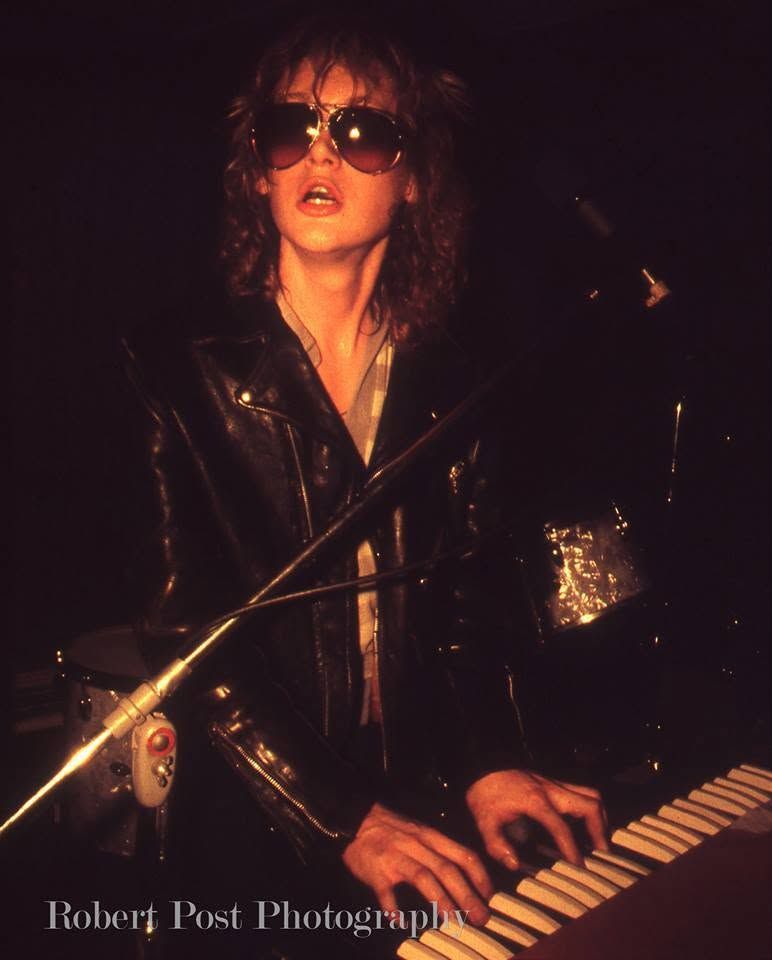
He was a stubborn, difficult, brilliant man who built a sound in his head sometime around 1965 and spent the next sixty years refusing to let anybody talk him out of it. DMZ, then Lyres, then Lyres again and again through a rotating cast that never stopped turning over — Jeff the one constant, the one piece that never got swapped. Most people, that's a character flaw. On him, it was a refusal to compromise — confrontational sometimes, obsessive always, and entirely in service of the beat. Modern garage rock owes him a debt for that stubbornness whether it knows it or not.

Rest easy, Monoman. Thanks for all of it — the twenty-some nights, the seven weeks I didn't get, the vodka, the snare I never took to the head. All of it.
— Reprobate Media