"I'm Just Not Very Happy When I'm Not Making Music": The Relentless Reinvention of NICOLE LAURENNE


"I'm Just Not Very Happy When I'm Not Making Music": The Relentless Reinvention of Nicole Laurenne
A Reprobate Media feature
Here's the thing nobody quite says out loud about a music career: eventually, most people stop starting new things. They keep the band that already works, play the songs people already love, and call it a life well spent — which it is. There's no shame in that. It's the norm.
Nicole Laurenne didn't get the memo.
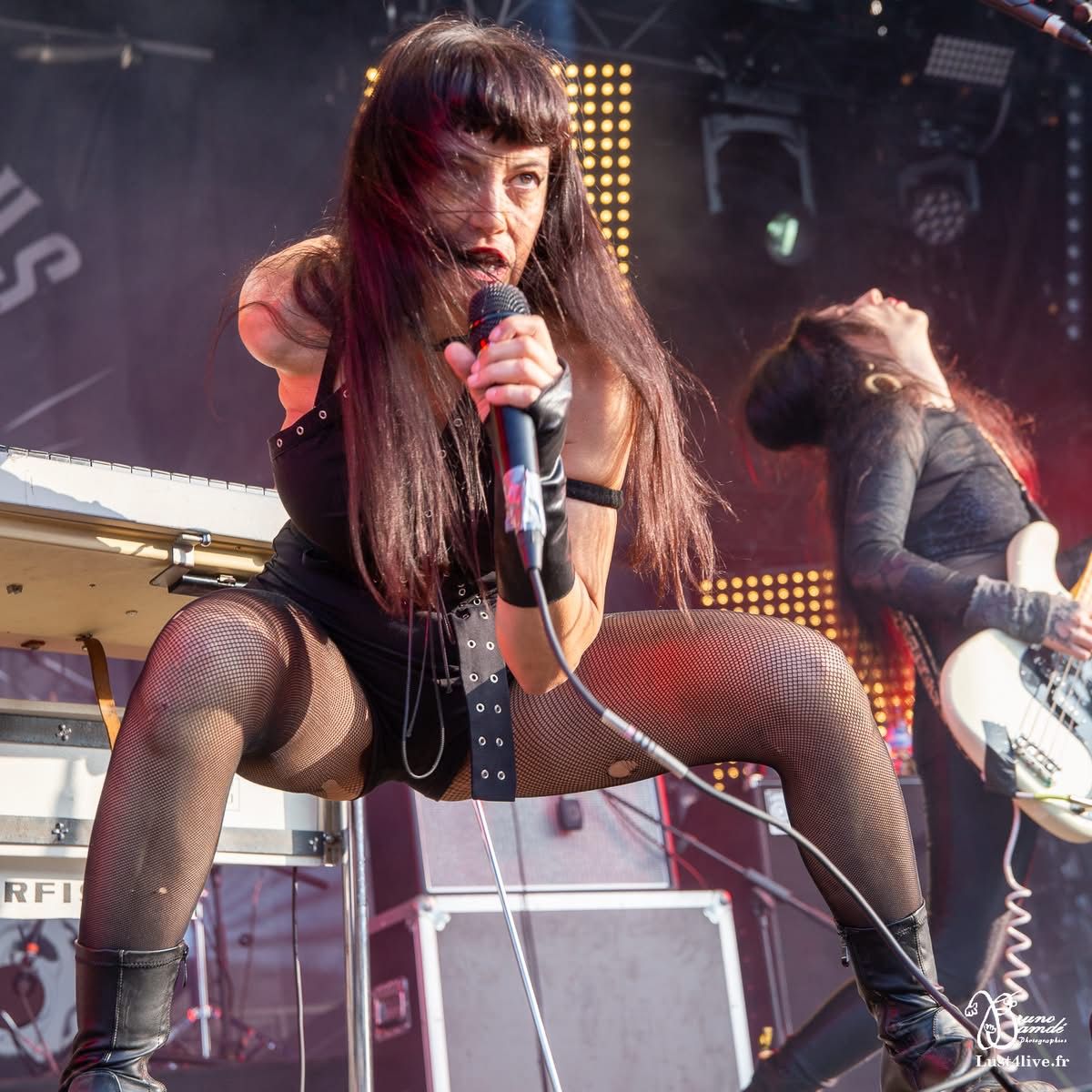
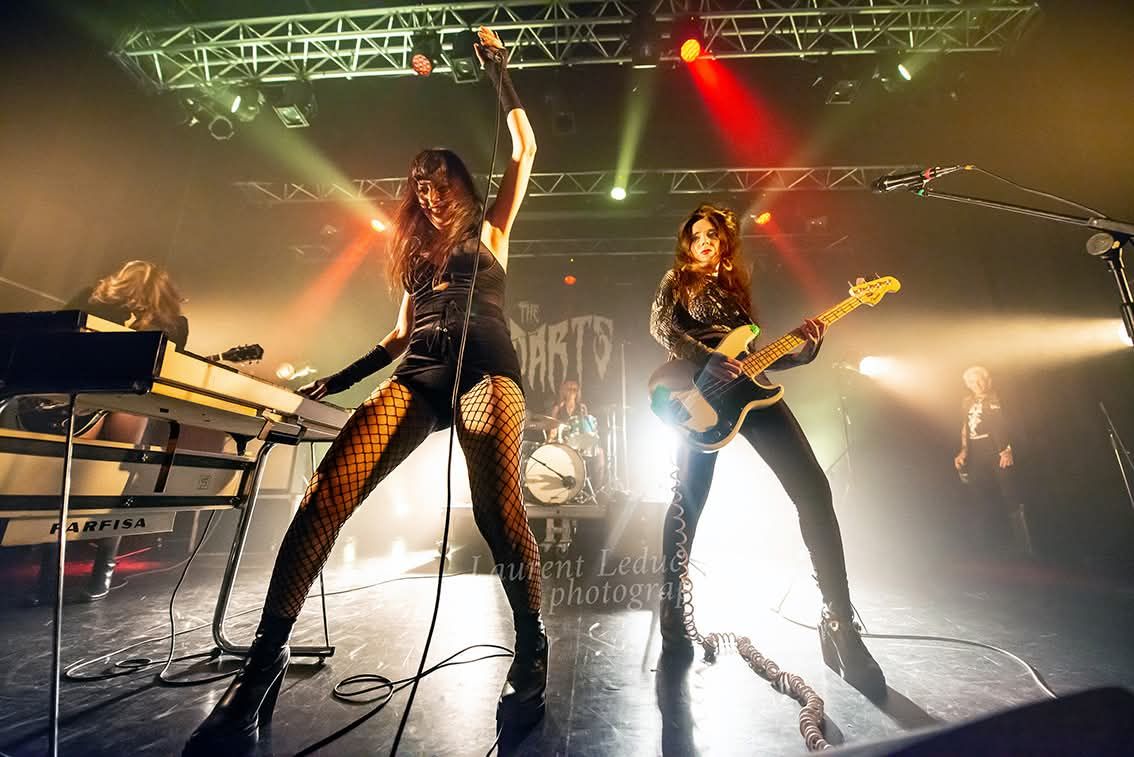
She's spent decades fronting bands that live and die by volume — first The Love Me Nots, then The Darts, a four-piece that got signed to Jello Biafra's Alternative Tentacles, toured Europe more times than most bands manage in a career, and built the kind of devoted following most musicians spend a lifetime chasing. The Darts lineup has shifted more than once since the band formed in 2016 — Nicole's the one constant across all of it, rebuilding the chemistry each time and keeping the band's identity intact. They're still out there right now, still touring, still putting out records. That alone is a full career. Most people would take the win.
A couple years ago, at a point in her life where nobody would have blinked if she'd just kept doing exactly what already worked, Nicole started a jazz project instead.
Starting Over, On Purpose
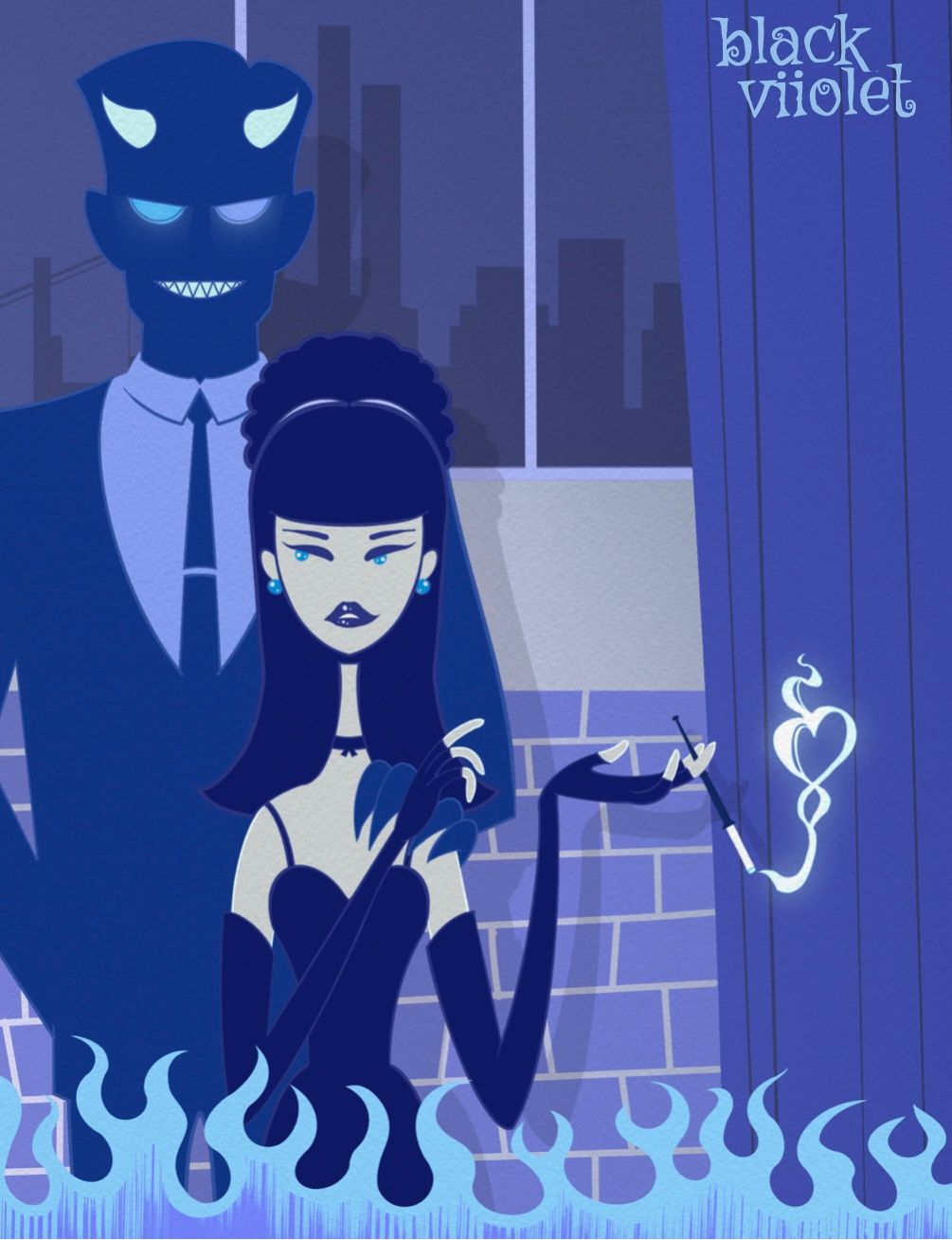
Black Viiolet doesn't sound like anything else she's done. Where The Darts hit like a fist, Black Viiolet moves like smoke — trip-hop rhythms, torch-song restraint, horns that sound like they wandered in from a smoky back-alley club, built for the kind of scene in a film where someone's walking into a room they shouldn't be in. It's not a tweak. It's a different instrument, a different register, a different emotional temperature entirely.
And it's not a hobby bolted onto an existing career — it's real, growing output, built by musicians and producers on two continents. The debut EP, Kill Me Now (2024), landed in rotation on Seattle's KNKX almost immediately and sold out its first pressing. The full-length that followed, After You (2025), pulled in a genuinely stacked roster — drummer Conrad Real (Digable Planets), a rhythm section built around Seattle bassist Evan Strauss, a French horn section anchoring the record's other coast. Drummer Gregg Ziemba — of Darts labelmates Wheelchair Sportscamp, who head out on tour with Peaches next week — played on much of the catalog and spent more than a year on the road helping launch the project live. The band's current album, Dark Blue (2026), was tracked at Studio Black Box in France — the same room The Kills have used — and mixed back home at Ruby Room in Seattle, with guest turns from Blag Dahlia of The Dwarves, Tom Hagerman of DeVotchKa, and Jason Devore of Authority Zero. Trumpet players Wes Watkins and Carrie Jennings have become fixtures of the live show.
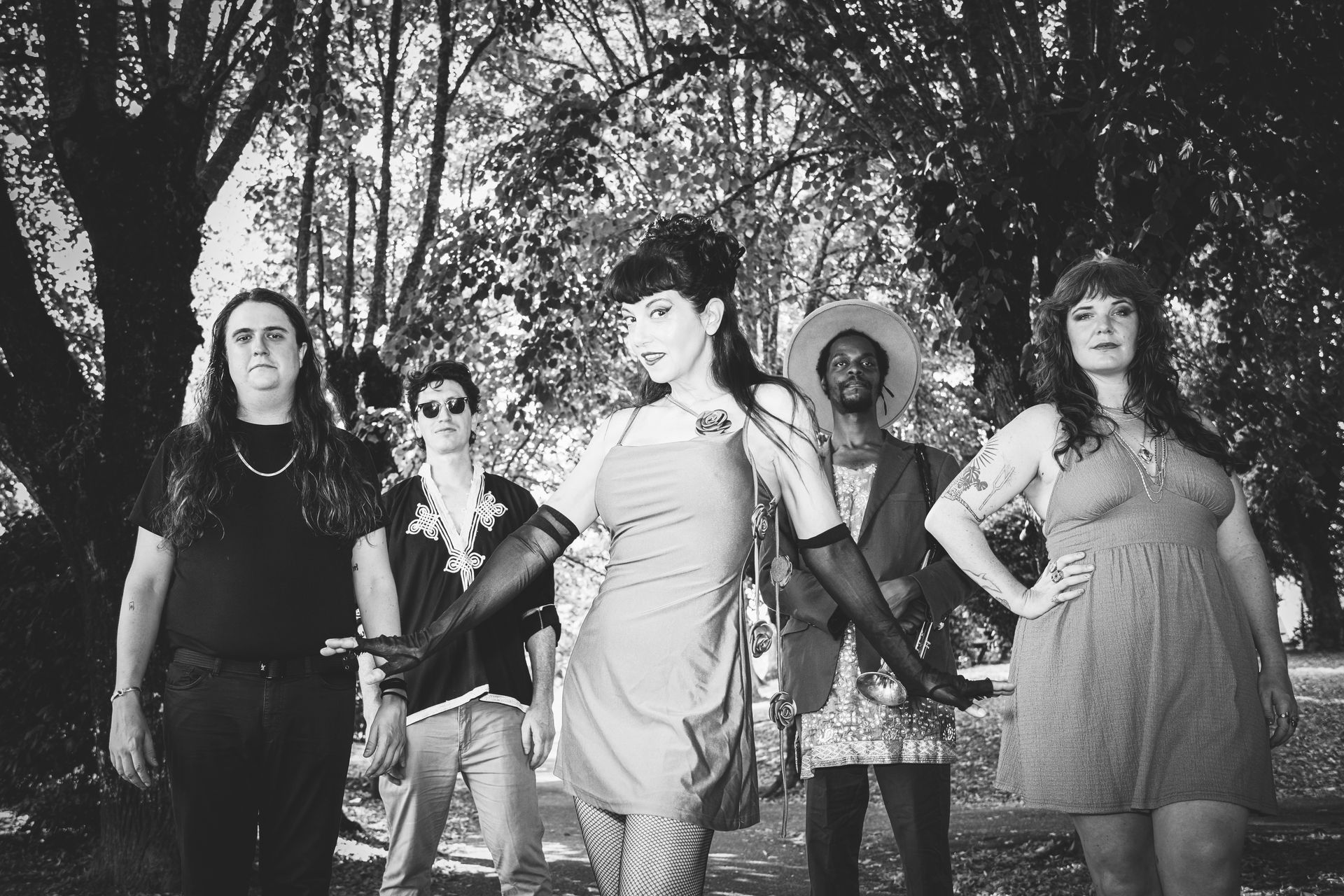
That's three real records in three years, a rotating cast of serious musicians spanning two continents, running in parallel with a full touring band that never stopped. Built by someone who had every reason to just coast. Along the way, Black Viiolet played the French premiere of Kill Bill: The Whole Bloody Affair — Quentin Tarantino's newly-released director's cut — at a cinema in the south of France, and just wrapped the Dark Blue tour sharing a stage with DeVotchKa for one of their Little Miss Sunshine anniversary shows. That's the kind of booking that doesn't happen for a side project.
So: where does it come from? We asked her.
The Darts already worked — a real audience, a real label, a real touring life. What was the actual moment you decided building something completely different was worth doing anyway?
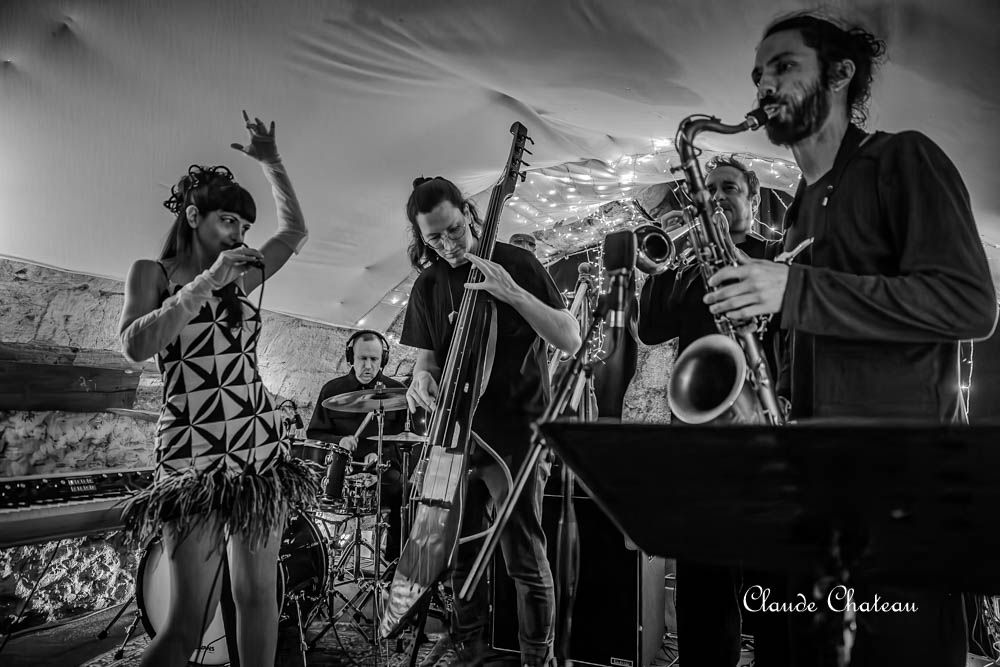
"I am always writing songs. Pretty much for my entire adult life, songs have been my diary, my friend, my therapy, my spouse, my confidante. When I write a song, the song comes together without me putting parameters or expectations on it about genre or style — I try not to come at thinking about how I'll use the song later. So my songwriting spans all kinds of genres and vibes. During lockdown, while I still lived in Phoenix and no one could tour, I found myself writing a lot of vintage-sounding torch songs with triphop beats underneath them. I loved the sound. I think I was inspired by a video I saw of Shirley Bassey singing with Propellerheads... and Jessica Rabbit in the movie Who Framed Roger Rabbit... and James Bond themes. Anyway, who knows where the muse came from, but I just thought I was writing my usual nonsense."
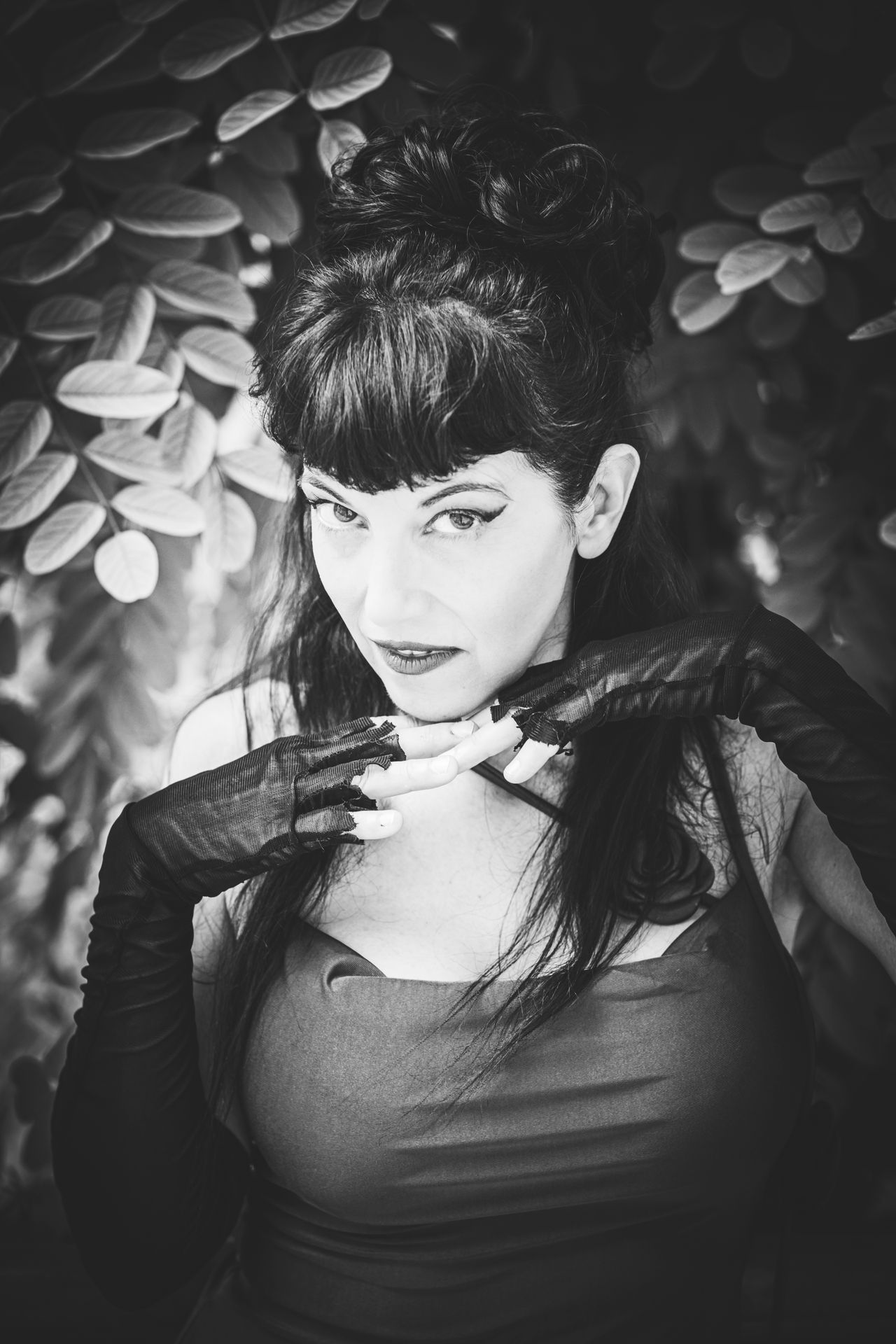
"When my agent Ludo Riou at Adrenalin Fix Music in Bordeaux, France, heard my demos a year or two later, he was the one who said, "If I get a band and a rehearsal space together for you here in France during a tour break, will you try it?" How could I say no? He did just that, and while The Darts went home between tours in the summer of 2023, I stayed and formed Black Viiolet — which, by the way, was inspired by the black-purple flowers at a castle garden near his house in Bordeaux. I spent three days in a cottage in the French countryside with some insanely talented French jazz musicians and it all came together instantly. When the first EP, Kill Me Now, came out, I was still kind of in denial that it would be anything real, and used some of the demo tracks — which had some beautiful production by Bob Hoag and real horns by Phoenix musicians actually — in addition to new tracks recorded in both France and the USA. It was met with such a welcome, even by Darts fans, that I kind of convinced myself finally to really dig into it."
Most careers, musical or otherwise, settle into a groove and stay there. What do you think stops most people from starting something new once they've already built something that works — and what's different about how you think about it?
"I have no idea, actually. But I suspect that most people maybe aren't as mentally co-dependent on making music as I am. It's important to remember that I had a legal career and raised kids while I was trying to tour internationally for many years, and it was quite a struggle. So when I was finally able to just focus on the music, I wanted to make up for lost time. I had so much music to put out there, so many ideas and so many places I wanted to tour that I couldn't do while I was tied to a day job. I started working for the government very young and never stopped, so retirement came early and I was given this rare gift of time that most people don't get. If it looks like I am touring with a vengeance right now, I am."
"I didn't plan it this way — in fact I spent most of my first career very depressed that I had not followed the music path professionally — but finally the day came when I could put it all together and make it work to my advantage. So having this time and energy and a pension, while I'm still healthy enough to crowd surf, is a serious difference between me and most people. I do not take it for granted for one second."
"But also, touring with Black Viiolet has exposed me to a whole different mindset and audience — kind of a timeless, ageless, genre-less one that seems to appeal to a wide field of listeners. I feel like, even when my body ages out of punk rock chaos, I can keep this other project going as long as I'm alive. There is no other place in my life where I feel truly complete other than performing great music on stage, so for me it is an essential part of my mental health and wellness, honestly. Most people probably won't tell you that, and maybe that's the difference. I'm just not very happy when I'm not making music, it's that easy."
The Darts lineup has shifted quite a bit since 2016 — you're the throughline across all of it. What's it like rebuilding a band's chemistry more than once while keeping the identity intact?
"Touring musicians make very little money, aren't home long enough to have a steady job usually, often don't have health insurance, don't see their families and partners for long stretches, and generally live a life that is so physically and mentally demanding that I think ninety-five percent of the population just isn't up for it even if they are talented performers and musicians. Maintaining a positive attitude, staying healthy, and supporting each other with all the massive amounts of planning, preparation, and logistics is part of the job description. It's a lot more than playing your instrument well and wanting to party in other cities. I have always managed my bands — The Love Me Nots, Motobunny, Zero Zero, even before The Darts formed — so that meant a ton of financing, ordering merch, buying everyone's plane tickets, booking hotels, finding equipment in other countries, and a thousand other details. As The Darts' tour schedule got more and more packed — many months per year, many trips overseas per year — I found myself needing multiple guitar players, for example, so that everyone could be home enough to work and care for their loved ones. Finally it became a situation where I really needed an entire lineup of talented musicians who could be on the road basically all the time. "
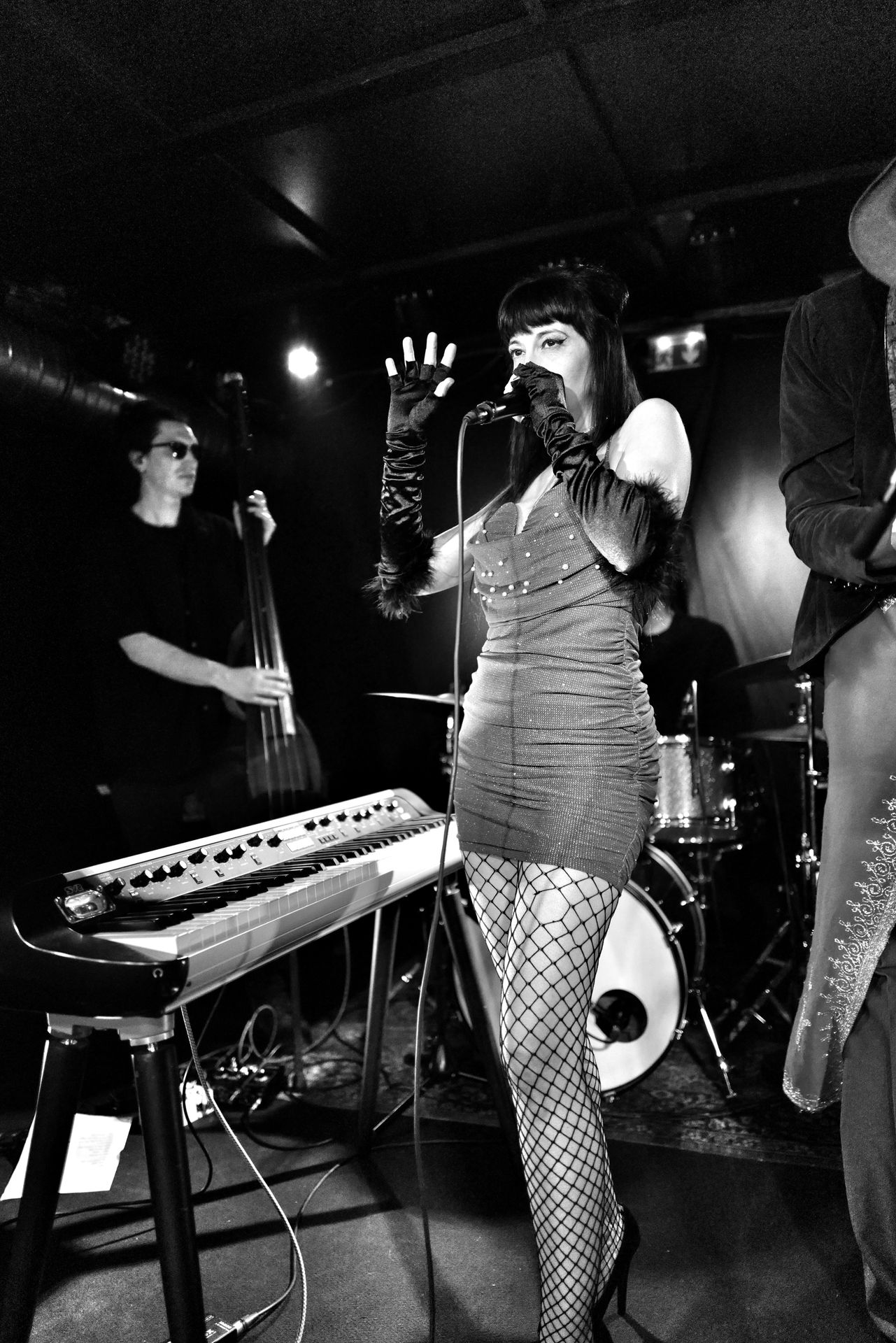
"So it is not at all easy with the kind of pay my bands make at this level, but I have developed a kind of roster of session musicians who are absolutely top-notch players but are willing to do a stint or a tour leg with me — true road warriors who step up with everything in the job description I mentioned above and need virtually no rehearsals, so that I can hire people from anywhere in the world to join me on tour. That has become my solution in both of my bands, with me as a kind of ringleader juggling all the personnel as it changes from tour leg to tour leg so that the bands can stay on the road and in the studio, and keep everything afloat. I'm very lucky to have found so many people willing to jump on board in this crazy scheme I've concocted, but we have such a great time together with it now that it's getting even easier to find people as time goes on."
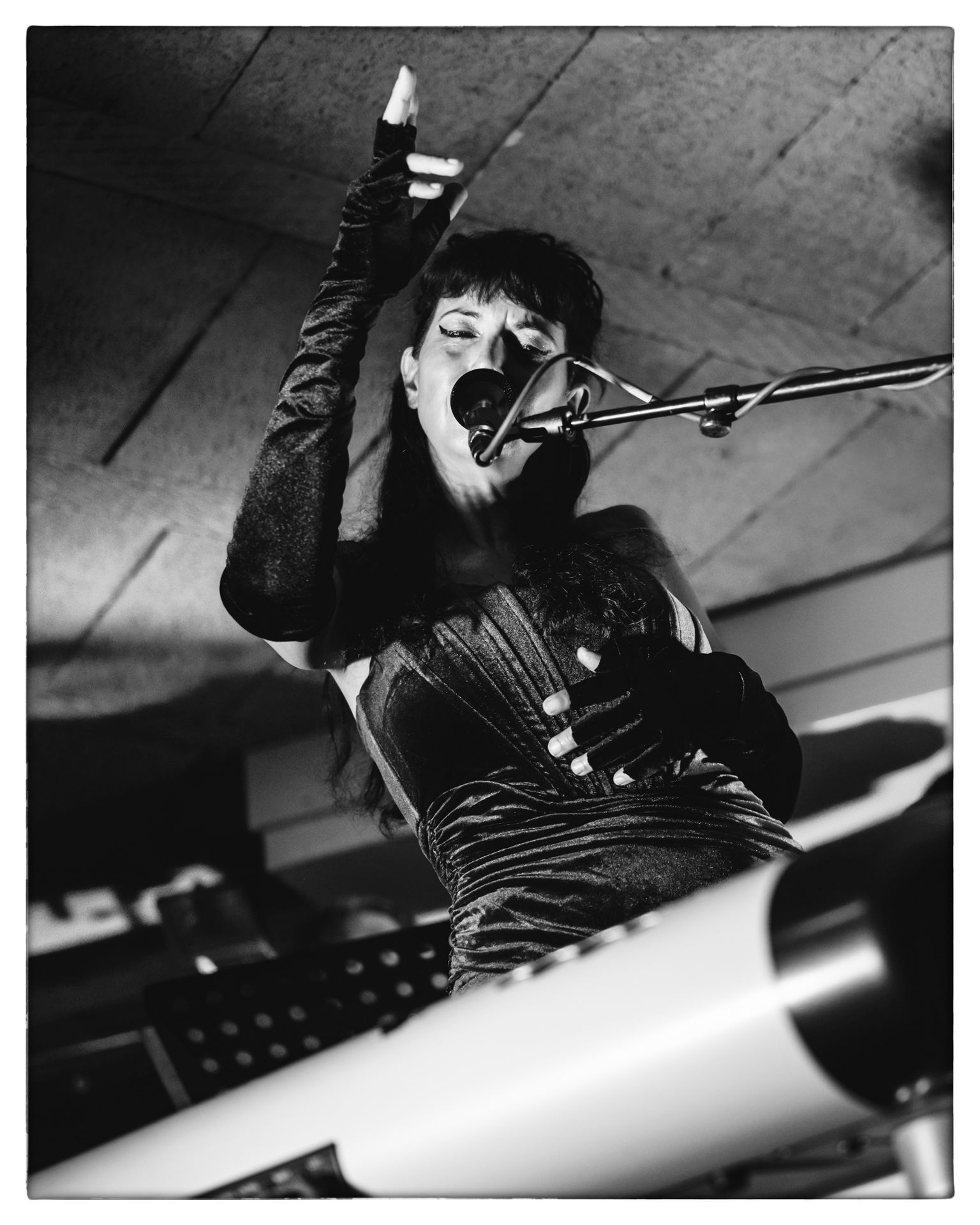
"I thought the audiences might have trouble sticking with me if the faces around me changed, but it hasn't been like that at all. In fact, because I am able to keep the bands on the road and make new albums every year, the fan base for both is just growing like crazy now. I finally have musicians around me who can operate at a level of professionalism that the schedule and stages demand, and I'm so proud of that. I'm so grateful that the listeners seem to understand the challenges of the music business that we face."
Black Viiolet sounds like nothing else you've done — trip-hop, torch song, spy-movie lounge, with real horn players on two continents shaping the sound. Where does that record come from, musically? Who were you actually listening to when this project started taking shape?
"It may surprise people, but when I am home alone I really don't listen to much punk rock. I tend to turn on cool jazz — Bill Evans, Miles Davis, Nina Simone — or triphop: Portishead, Nouvelle Vague, Lovage, Sneaker Pimps. I have always been in love with Digable Planets' track "Cool Like Dat." I used to play piano in a jazz-standards trio back in Tucson when I was in law school, and fell in love with the 1920s-1950s torch songs and that scratchy, vintage AM-radio vocal sound. This project merges all of that together. You can literally hear every single influence I just listed on Black Viiolet records. "
"Although I hire musicians from Europe and the USA, I still write all of the parts, program the beats, prepare the horn parts for charting, and make fully-produced demos for the musicians to practice to on their own. Then we go into the studio and they add their flair and nuances and extra sparkle. I have found a real gem in trumpet player Wes Watkins, who elevates my horn arrangements tremendously. Evan Strauss, the upright bassist who has played every single live show with me to date, also plays my bass parts but improvises them into beautiful new places quite often. Jazz musicians are a different breed than rockers. They read music, for one, and are well-educated in music theory and structure, so we can speak the same language and work very efficiently at a high level even with complex musical ideas. It is a sheer joy to be able to use the non-rock parts of my classically-trained piano brain again, and to challenge myself into new growth as a musician. I am soaking it all up and learning so much from them."
How do you actually move between the two projects? Is Black Viiolet a rest from The Darts, or does it demand just as much, in a completely different way?
"Black Viiolet provides a physical rest — there is less jumping and screaming and I don't have to stretch before the show and wear an ankle brace, for example. But mentally it is a push to sing quietly and calmly while playing some of the hardest riffs I've ever had to play live and keep up with the insane level of talent I have amassed behind me on stage. In the studio, Black Viiolet is more demanding for sure; there are more layers and nuances, genre bends and decisions to make on every level since this style we are doing is really kind of uncharted territory. And also, as a very new act, I have to work a lot harder to promote the shows and get the word out to the world that this even exists and try to describe what it is in a way that will entice people to come out and give it a listen. That's actually the hardest part of touring, if you ask me — the promotion, getting people to the show. It is still a mystery to me how best to do it, other than to just keep trying to be as good on stage as I can be."
"For The Darts, I have a clear writing formula and process that I have relied on even since The Love Me Nots days, and it still works so very well that I don't really want to change it. Playing an organ upside down wearing high boots and singing at top volume is no easy task, so keeping the songwriting at the right level is important for me. Both projects use different parts of my brain and body, completely, even if the business of making and pressing and promoting and touring records is basically the same for both."
You tracked Dark Blue at Studio Black Box in France and brought it home to Ruby Room in Seattle to mix. What did that split — one album, two studios, two continents — change about the songs, or about you?
"Actually that happened on both After You and Dark Blue. When it came time to put out actual records, I was newly living in Seattle and needed to find a studio here. I had been recording all my albums with Jim Diamond and Bob Hoag for so long that I wanted to kind of start fresh with someone local — Seattle is such a legendary music town after all. Rather than just go to the big studios here, I decided to use my ears to make the choice. I listened to tons of Pacific Northwest compilations and playlists, as many as I could, in all kinds of genres, until I heard a crystal, gorgeous vocal sound floating over big beats. I knew that's what I needed for Black Viiolet. One track jumped out at me big-time, and I tracked down the studio that made it. It was Ruby Room, a little hip hop digital studio in Seattle — very different from the big analog vintage-gear studios I was used to. The experiment paid off."
For After You, I had lots of different session musicians track their parts wherever they were — Phoenix, France, Seattle — with local studios and producers. I even did a lot of the tracks myself at home. Then I went to Ruby Room and did all the lead vocals. Ruby Room gathered all of their tracks and did the mixing. Kevin Gardner in Seattle actually recorded and mixed two of the tracks with my all-Seattle touring lineup during the first few months of touring."
"For Dark Blue, the intention was to record at Studio Black Box, which is a legendary spot I have had my eye on for years, while the European touring lineup was in between tours, and then to have Peter Deimel there also do the mix. My guest musicians — Jason Devore, Blag Dahlia, and Tom Hagerman — recorded at their own studios and sent in their tracks like we did before. But then health issues forced Peter to need some time off right as the mix needed to be done, so once again I went to Ruby Room and entrusted them with the mix. So now it's like my go-to process: pick my musicians, wherever they might be, have them record elsewhere, then do my vocals and mix at Ruby Room."
"People don't know this, but I've never had a band that all lived in the same state at the same time — there was always a drummer in New York, or Chicago, or a guitarist in LA or whatever. So this style of cross-continent mixing is something I've been doing since day one. It opens up the field of musicians for me and keeps the sound fresh."
People who've worked with you over the years talk about your drive like it's a force of nature. What does an actual week look like right now — touring one project, recording another, still saying yes to more?
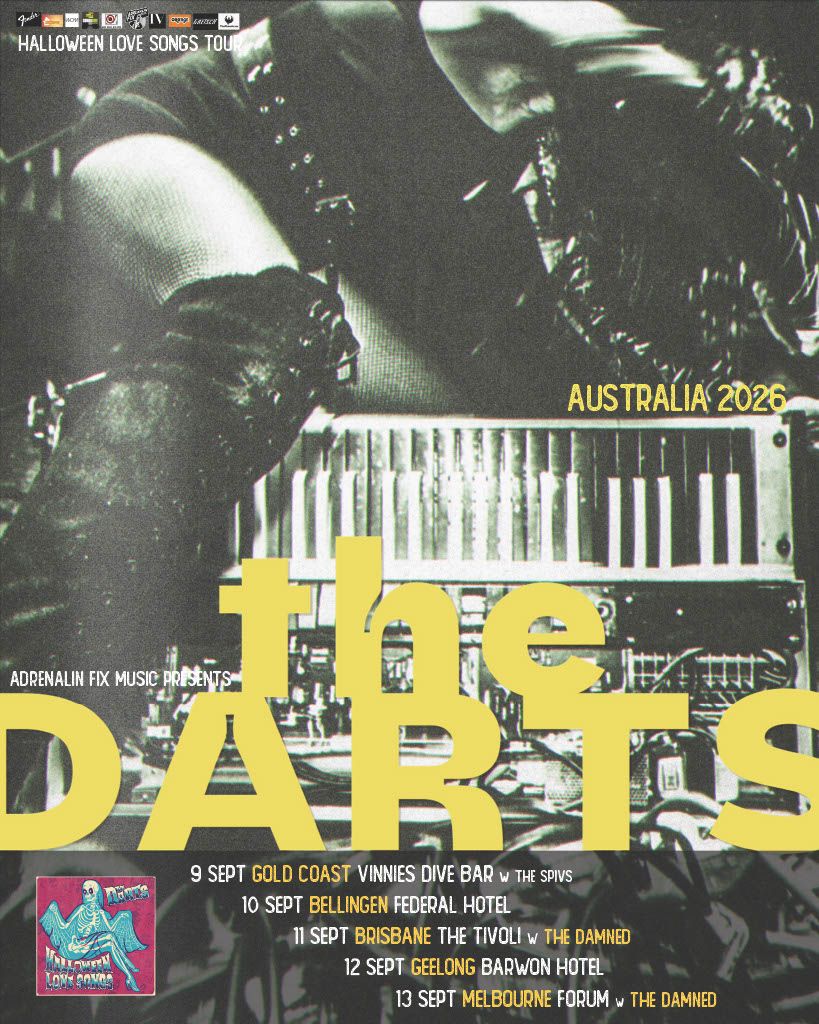
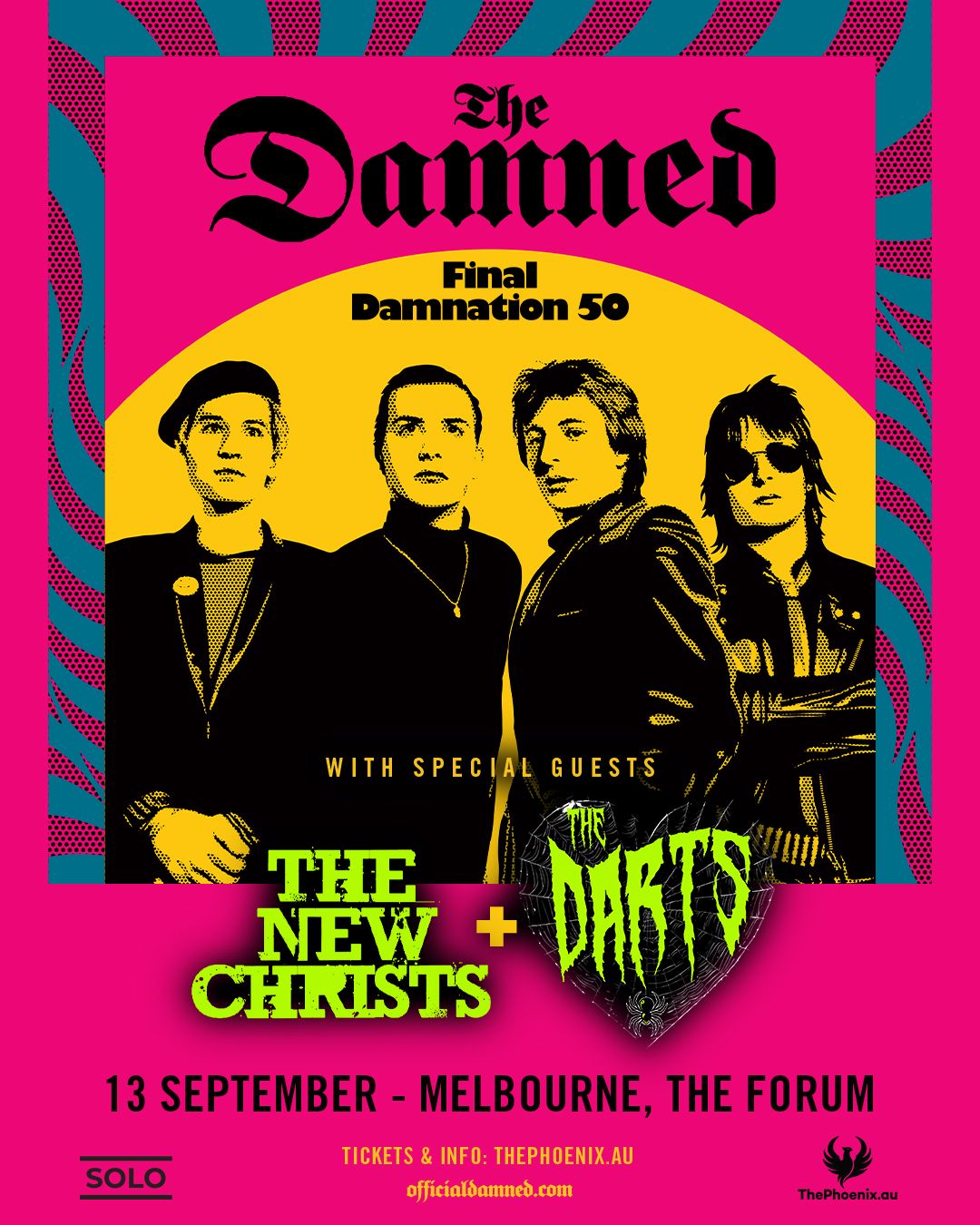
"I just wrapped two weeks in three studios — Station House in Los Angeles with The Darts, and London Bridge and Ruby Room in Seattle with Black Viiolet — plus a few days recording three tracks with Black Viiolet before that while we were on tour in France at Hey! Studio. All day in the studio, but typing interviews like this one in between vocal takes, ordering t-shirts for our two-month Fall Europe tour coming up, getting our Australian tour work permits figured out with The Damned's management so that we can open for them there, and ordering supplies for the many months of touring about to start. I spent a few hours this week at home recording some session keys and vocals for two friends' bands — I love to do that, as it gets me out of my own head and exposes me to new music and challenges. When you're mired in signing checks for endless amounts of t-shirts and pins and recording sessions, and starting to get really freaked out by it all, it's great to sit back down at the organ and put on headphones and get lost in someone else's tunes for awhile."
"The Darts head out on tour in a few days and really won't stop until December, so that's a lot of protein bars and Goober and fishnets and setlists and merch and face cream and cables and a million other things that we need to stockpile and pack to take with us.
It's more than a full-time job. I am usually doing promotion until about 3am every night, and then up at 9am to do a couple of hours of admin on the laptop before I have to do stuff in real life. When I'm off tour with The Darts, I also have to keep up a pretty reliable schedule of running and situps and playing through the set jumping around in my living room, so that I stay in good cardio and strength shape for those tours."
"It's a really weird life. I was raised by non-musical parents who worked for corporations, and my daily schedule makes no sense to that kind of personality. It can be lonely, to be honest. I know my relationships suffer and fade because I am truly married to the music. Managing all of this by myself and living alone is a life I have very purposefully built so that I can focus and make my music the way I envision it, in a way that I can still — barely — afford, but it also means no one but my agent Ludo really sees all of the facets and angles that I have to constantly be alert to. I am forever indebted to him for his unwavering support all these years, professionally and personally. He is really the only one in the world who has always made me feel like I can do it, and that it is worth doing, day in and day out. Everyone needs someone like that in their corner in a business as hard as this one."
Is there a version of Black Viiolet — or something else entirely — that goes even further from where you started? Is slowing down ever part of the plan, or does that just not feel like you?
"Today I finished recording the third Black Viiolet record, and I think it reaches into some new territory stylistically. There is a little 70s funk at times, a little Americana at one point, some straight-up 60s soul (a cover, actually), even a little hint of reggae in one of the songs. Somehow it all makes sense to my ear, and blends into a perfect playlist for a hip cocktail party or a sexy, retro, action-movie soundtrack. I did vocals for a new album by Stuart Connelly, director of American Gothic, and the songs are absolutely heart-wrenching, gorgeous minimal, orchestral works. I am also doing some vocals and keys for an artist called Dirthag out of Boston that is really heavy stoner rock, way out of my usual lane, and I am having a blast creating those songs with her. I was also asked to do a soundtrack for a short thriller movie, not yet in production, but hopefully on the horizon at some point here, and that will be a sharp learning curve for me."
"I am really excited about the new Darts album, a lot of which was a collaborative writing effort with bassist Lindsay Scarey. We stuck with the Darts formula for sure, but having another voice in the writing process always adds a new flavor. There is so much to look forward to. I don't want to rope myself into any corners musically — I'm having too much fun dancing across the blurred lines. "
-------------------------------------------------------------------------

There's a version of this story where a longtime musician gets tired, or gets safe, or just runs the machine that already works because it's easier and the bills still get paid. That's not what's happening here. Nicole Laurenne just finished her third Black Viiolet record — one that pulls in 70s funk, Americana, a 60s soul cover, and a hint of reggae, because apparently even a genre she invented for herself two years ago wasn't going to hold still either. Meanwhile The Darts have a new album on the way, co-written for the first time with bassist Lindsay Scarey, and Nicole's squeezing in outside vocal sessions in whatever hours are left — all of it while packing for a tour that leaves in days.
At some point you stop calling that work ethic and start calling it what it actually is: a life force. Not a brand, not a hustle-culture talking point — an honest-to-god generator that just doesn't run out, whether it's midnight vocal takes in three different studios or situps in a living room to stay tour-ready. Most people get one good current running through them. Nicole seems to be wired to three.
Ask her where the energy comes from and she doesn't dress it up. "I'm just not very happy when I'm not making music, it's that easy." Not a mission statement. Not a brand. Just the truth, from someone who spent a first career waiting for permission to say it out loud, and isn't wasting a second now that nobody's asking her to wait anymore.
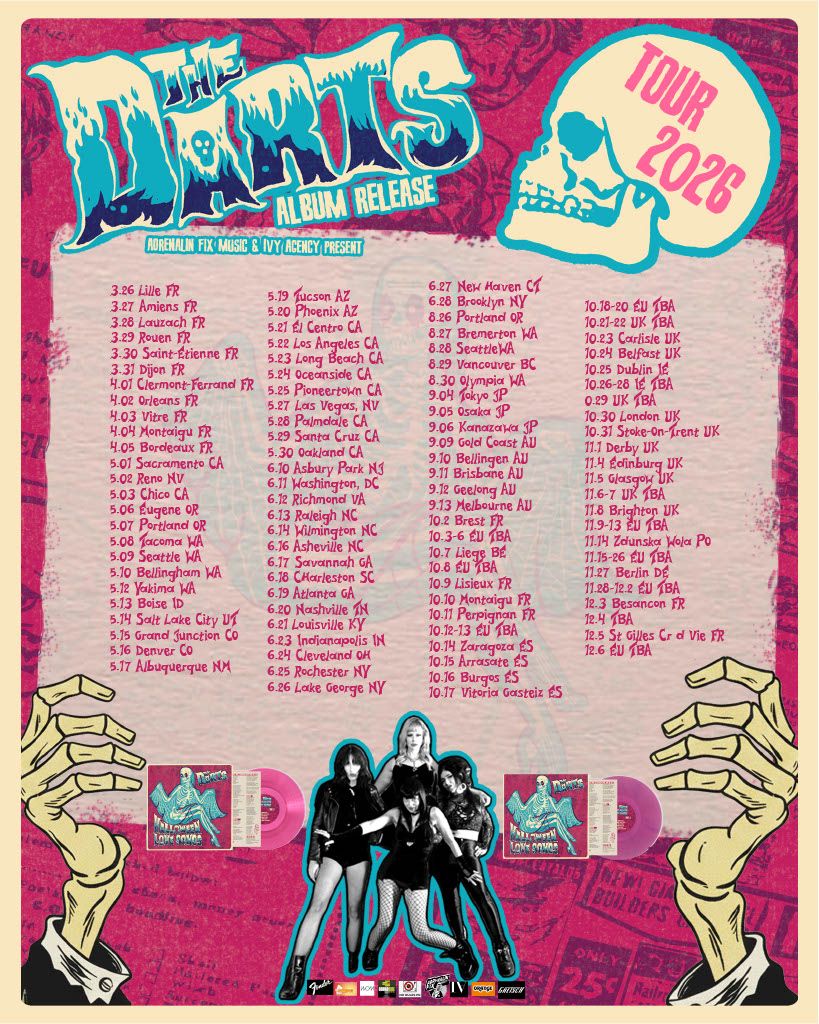
The Darts kick off a World tour starting on the West Coast tommorow. Full tour hub here